OCS and Fellowships are open over Spring Break and virtual advising is available

Museums are educational organizations that collect, preserve, and present important artifacts and/or works of art for the public to view and study. Museums may be organized by their collections (art, history, natural history) or by their intended audiences (children's museums). Possible occupational titles include: museum director, curator, collections manager, archivist, museum technician, conservator, researcher, exhibit designer, educator, editor, photographer, and librarian.

Arts Administration handles the business component of the performing, visual, literary, and cultural arts and facilitates connections between artists and audiences. Possible occupational titles may include the following: executive director, program coordinator, volunteer coordinator, and director/coordinator/assistant for many departments such as development/fundraising, outreach, audience development, marketing, publicity, publications, education, business, accounting, legal, and human resources.

Things to Consider

Visit museums, obtain internships, and volunteer. Both education and internships are important when considering a career in museums. A degree in art history or the fine arts is often crucial for a curatorial job in an art museum, while liberal arts coursework or experience in writing, editing, research is helpful to those seeking support, educational, or administrative roles. Undergraduate study in the area of a museum's focus (e.g., history or the natural sciences) is typically beneficial to individuals seeking museum work. Degrees are also offered in museum studies.

Managerial skills are fundamental to arts administration. Get involved in the organization for presenting or performing groups at school and in New Haven. Help your friends and colleagues produce a concert, put up a show, organize an installation, or coordinate a conference. Learn as much as possible by assisting with a variety of tasks. Develop administrative and management skills. Procure an internship (paid or unpaid), talk with professionals in the field, attend information sessions and panels, and support the arts.

Arts Apprenticeship w/ writer/artist Annie Lanzillotto

This opportunity has been pre-vetted as a Yale Arts Apprenticeship with potential funding through the Summer Experience Award (SEA). Students on financial aid at Yale can find more about this funding opportunity at ocs.yale.edu/sea.

This is an unpaid opportunity; …

By Derek I. Webster
Derek I. Webster Director of Common Good & Creative Careers
Read more

Creative Careers

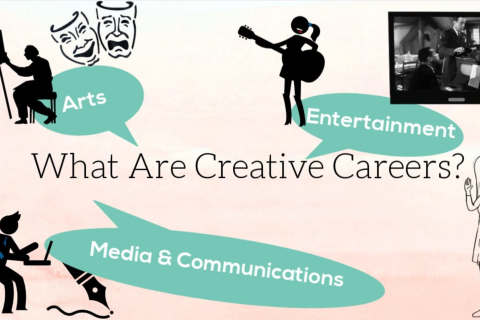
Creative Careers span multiple industries that share elements such as non-traditional hiring patterns, a heavy reliance on networking and relationship building, an association with creative practice or discipline, and a variety of freelance or entrepreneurial potentials.

Our Common Good & …

By Derek I. Webster
Derek I. Webster Director of Common Good & Creative Careers
Read more

Website Design through the WIX/Yale Partnership

Wix.com is a leading cloud-based development platform with millions of users worldwide. Wix makes it easy for everyone to create a beautiful, professional website or online  portfolio. Promote your business, showcase your art, set up an online shop or just …

By Derek I. Webster
Derek I. Webster Director of Common Good & Creative Careers
Read more

Sidebar

Resources

Student Veterans of America® (SVA) is the premier organization leading service, research, programs, and advocacy for veterans in higher education.  

Through a network …

The Office of Career Strategy collects information about Yale College graduates. This is a great resource tool that allows users …

YC Career Outcomes

The Office of Career Strategy collects information about Yale College graduates. This tool allows users to search outcomes by year and major. Please visit Statistics & Reports for more information on our data collection.

  • First Destination summaries are based on the Knowledge Rate of graduate outcomes six months after graduation according to National Association of Colleges and Employers (NACE) guidelines.
  • Knowledge Rate, defined by NACE, includes direct survey responses and basic employment or graduate school information collected through other sources, such as faculty, academic advisors, or LinkedIn. Yale’s information below on Starting Salary and Time of Year Offer Received is based only on direct survey responses.

Helpful Tips for the Interactive Tool:

  • There is no Enter or Submit Button; results will appear automatically
  • The default is ‘All Years’ or ‘All Majors.’ Choose specific years or majors for more granular results. Uncheck the selected major(s) to reset your search.
  • The tool returns results with at least five responses. For small majors, choose ‘All Years’ to show results
  • To ensure confidentiality, results are reported in the aggregate
  • If you require additional information contact the Office of Career Strategy

Most Recent Class Overview: Class of 2025

Knowledge Rate Employed or in Graduate School Mean Starting Salary Top Five Industries
90.7% of those graduating between July 1, 2024-June 30, 2025.

  • Survey Responses: 1,458 (85.4%)
  • Confirmed through LinkedIn or other sources: 249 (14.6%)
95.3% employed or in graduate school within six months of graduation $94,028 among graduates employed full-time in the United States Financial Services, Education, Technology, Consulting, and Healthcare


  • First Destination
  • Top Employers
  • Employment Industry and Function
  • Size of the Organization
  • Starting Salary
  • Time of Year Offer Received
  • Internships, Research, and Study Abroad Experiences
  • First Destination Locations
  • Top Universities
  • Advanced Degrees Pursued

First Destination

First Destination refers to the postgraduate plans of Yale College graduates six months after graduation. The pursuits of Yale graduates include employment, graduate school, independent research, military service, and more.

Job Trends & SalariesIn partnership withLightcast logo

Search continually updated U.S. market trends to learn about job types (job functions), growth trends, and desired skills. The results will include general information about each job (functional area), employment trends from the past two years and projections for the next 10 years, employers that have that role, desired education level, skills for the position, and more!

TWO WAYS TO SEARCH:

  1. Find Career Data by Selecting Keywords: Enter keywords of various job titles and choose a state or search nationwide to learn more about that job.
  2. Filter by Industry and Occupation: Search by industry and choose among popular occupations/job titles within that industry.

Type in a keyword to select a relevant occupation. (If you'd like to see data for a specific location only, filter by state.)

SERVICE HOURS

Day of the week
Academic Year Summer Hours
Monday 8:30am - 5pm 8:30am - 4:30pm
Tuesday 8:30am - 5pm 8:30am - 4:30pm
Wednesday 8:30am - 5pm 8:30am - 4:30pm
Thursday 8:30am - 5pm 8:30am - 4:30pm
Friday 8:30am - 5pm 8:30am - 4:30pm

The office is closed weekends, holidays, and recess days.